Consumers’ grocery bills have risen by an annual rate of more than 10% since earlier this year.
High inflation is a downside of strong U.S. growth, fueled in part by low interest rates and government stimulus to counter the Covid-19 pandemic’s impact.
The annual rate of inflation has risen sharply since early 2021, when the U.S. economy’s rebound from the pandemic accelerated, leading to supply disruptions and other imbalances that put upward pressure on prices for longer than policy makers anticipated.
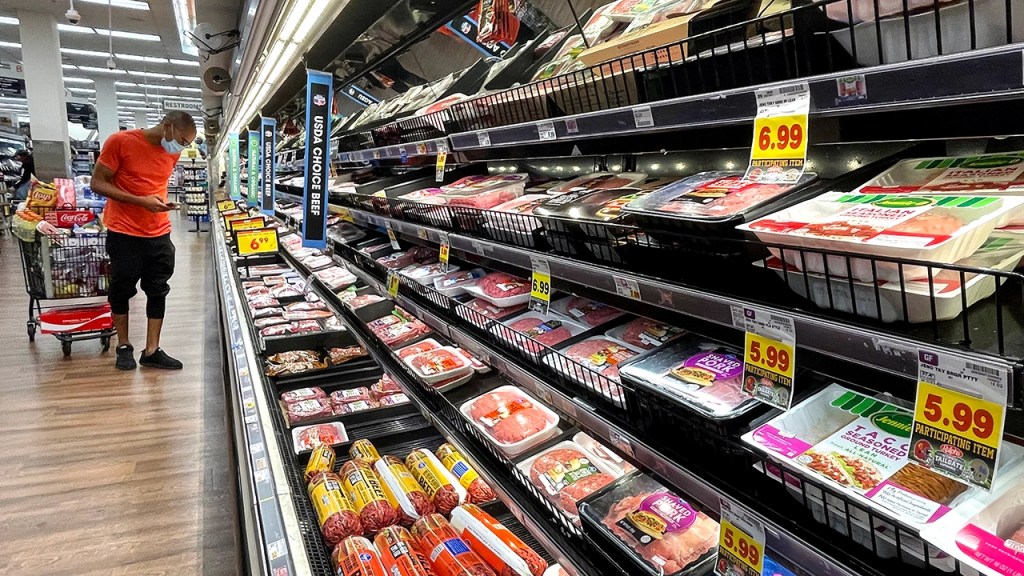
The Federal Reserve faces the difficult task of tightening monetary policy enough to cool the economy and calm inflation, while avoiding a recession. Fed officials on May 4 lifted rates by a half-percentage point and will meet again next week to consider a similar increase.
Economists and policy makers are watching closely for signs that inflationary pressures are ebbing. The continued rapid pace of price increases adds pressure on the Fed to raise rates aggressively to tame inflation.
“The big picture is that inflation remains very stubborn and will continue to be very slow to recede,” said Sarah House, senior economist at Wells Fargo Securities. “With what we see in energy markets in the past few weeks, we are unlikely to have seen the peak in inflation this cycle yet.”
Energy prices rose in May as Russia’s invasion of Ukraine continued to push up prices for crude-oil and natural gas. Gasoline prices have breached record levels in recent weeks, with the average gallon of regular unleaded currently going for $4.97, according to AAA. The strength in energy price rises will keep putting upward pressure on inflation, said Ms. House.
“Given everything from the implications of the Russian invasion of Ukraine, the Chinese lockdowns and just the sheer appetite for travel…what we’ve seen is the perfect storm of those factors hitting, along with some major refinery closures,” she said.

 Political | Process
Leave a comment