The agreement between Abbott and the FDA, called a consent decree, was approved by the U.S. District Court for the Western District of Michigan on Monday.
Abbott can restart the Sturgis, Michigan, plant within two weeks once the FDA gives the go-ahead, the company said. However, it said it would take six to eight weeks from the start of production for formula to arrive on store shelves.
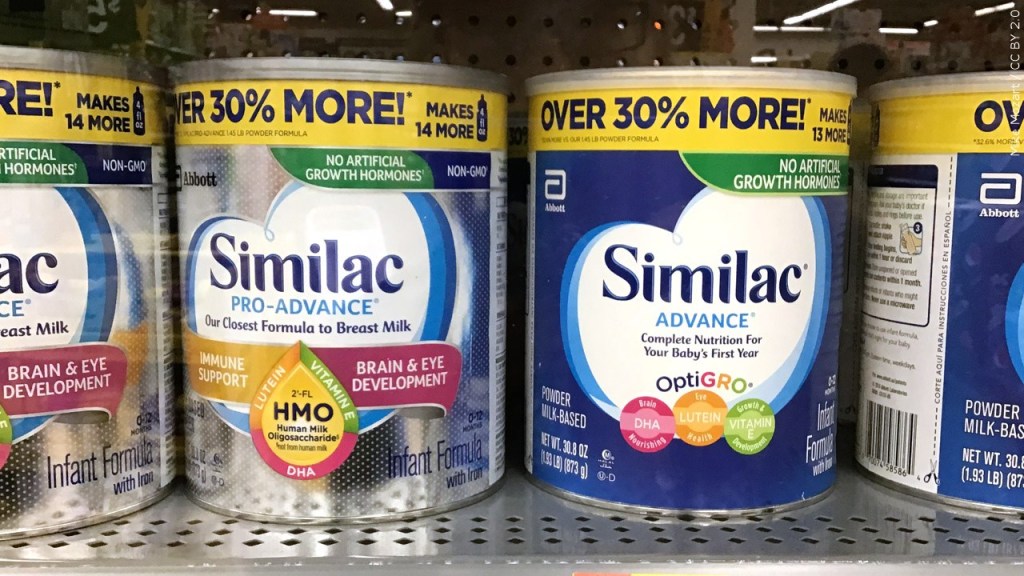
Mothers are struggling to find formula for their infants with shelves empty in many stores across the U.S. More than 40% of baby formula was out of stock nationwide during the week ended May 8, according to Disassembly, a retail data tracker. However, the FDA said Monday that nearly 80% of baby formula was in stock, citing data from Information Resources, another retail data company.
The supply shortage was triggered in part by the closure of Abbott Nutrition’s manufacturing plant in Michigan after four infants who consumed formula from the facility fell ill from bacterial infections, two of whom subsequently died. Abbott is the largest infant formula manufacturer in the U.S.
The Justice Department, in a complaint on behalf of the FDA, alleged that products manufactured at Abbott’s Sturgis facility were adulterated because they were made under insanitary conditions.
Inspections by the FDA found the presence of Cronobacter sakazakii, a bacteria that can cause blood infection, at the factory. Abbott internal records also showed that the company destroyed some of its product due to the presence of the bacteria at the plant, according to the FDA.
In February, Abbott issued a voluntary recall of its Similac PM 60/40, Similac, Alimentum and EleCare products made at the Michigan plant. Abbott said last week that no formula distributed from the plant to consumers tested positive for the bacteria, and genetic sequencing of two samples from the sick infants did not match the Cronobacter strains found in the plant.
Under the consent decree to reopen the plant, Abbott has agreed to bring in outside experts to help the facility come into compliance with food safety regulations, according to the Justice Department.
The outside experts will design a plan for Abbott to reduce the risk of bacterial contamination at the plant and conduct periodic evaluations to make sure the company is in compliance. The process will be under FDA supervision, according to the Justice Department.
Abbott is required to shut down production again if any products test positive for Cronobacter or Salmonella, dispose of the product, find the contamination source and correct the problem. The company cannot restart production again until it receives clearance from the FDA.
If Abbott fails to comply, it would face $30,000 in damages for every day it’s in violation with the annual penalties not exceeding $5 million. The company is subject to the conditions of the consent decree for at least five years

 Political | Process
Leave a comment