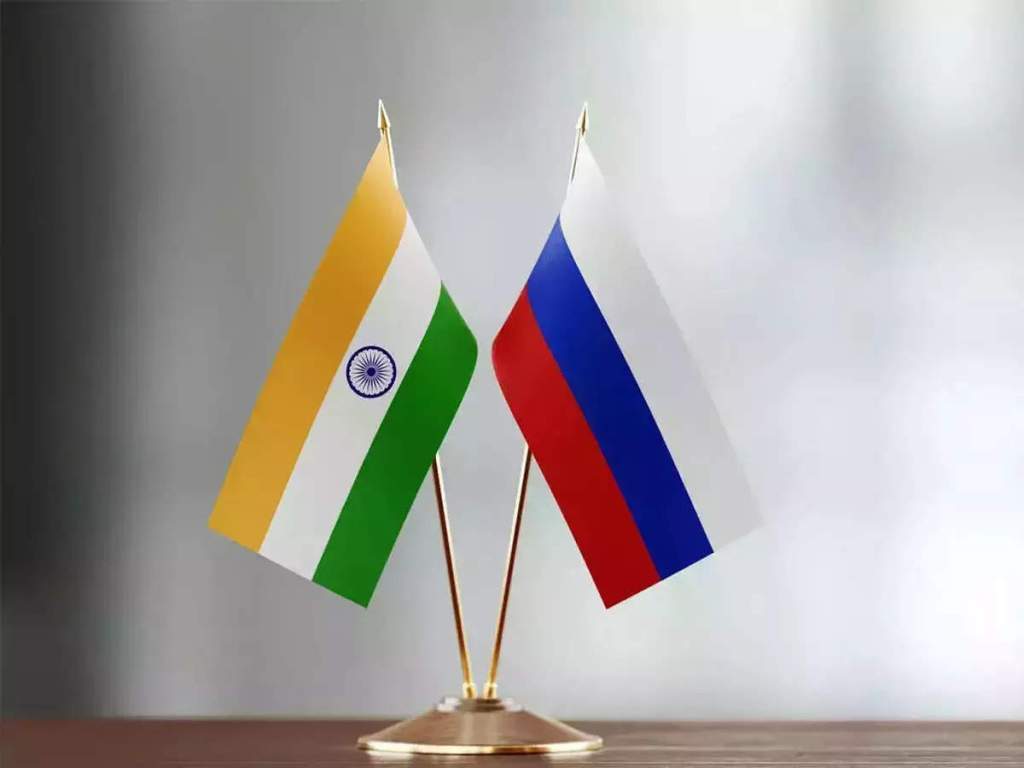
Several of India’s state-owned banks will execute the swaps under the supervision of the Reserve Bank of India, starting as early as next week.
Although the volumes of prospective trade to be financed under this swap arrangement are small, the India-Russia agreement, if executed, would be the first open departure from dollar-based system of international trade financing.
The US sanctions regime doesn’t extend to Russia’s oil and gas shipments to Europe and Asia, which earn Moscow more than $1 billion a day, and Russia customers do not need to seek alternative financing mechanisms. The India-Russia swap, though, is an open break with the dollar regime.
Saudi Arabia reportedly is considering accepting China’s RMB as payment for oil, but the Gulf countries have released no information on non-dollar oil payments.
India has been an aggressive buyer of Russian oil, reportedly at discounted prices. News media cite a two-million-barrel sale to Hindustan Petroleum and a three-million-barrel sale to Indian Oil, although the true totals aren’t known.
Asian countries now have $380 billion of local-currency swap lines, which allow importers and exporters to pay in their own currencies rather than in US dollars in case of need.
The balance of trade would then be settled by transfers among central banks in any acceptable reserve asset, including US dollars or gold. These swap lines remain inactive, as an emergency backup system. But Asian central banks have been eager to expand them.
Japan’s central bank is a strong advocate of swap line expansion, according to Asian government sources.
Politically, the activation of the Russia-India swap line is a clear statement from New Delhi that it will pursue its own foreign policy backed by its own financing arrangements.
India has remained neutral on the Russia-Ukraine conflict and abstained from voting on UN Security Council resolutions condemning Russia.
In another indication of New Delhi’s distance from Washington, India invited Chinese Foreign Minister Wang Yi to make a “surprise stop” in New Delhi on Friday, Reuters reported Wednesday. The Chinese official is in Pakistan for a conference of the Organization of Islamic Cooperation.

 Political | Process
Leave a comment