13 percentage points higher than it was on the day it collapsed, according to the World Food Program’s Afghanistan Food Security Update from September.
Tweet
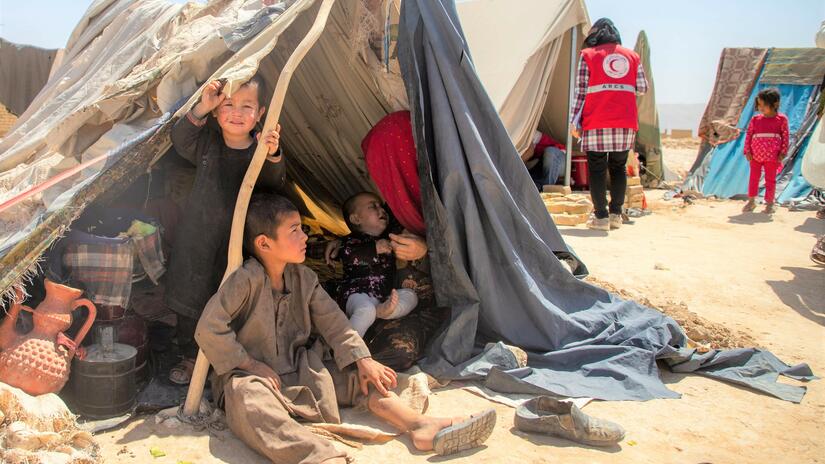
- “This is a time of the year when, for many, their harvest has run out; they’re also grappling with other health challenges (measles, pneumonia, etc.); there are fewer labor opportunities (i.e., compared to planting season when they had seasonal labor opportunities),” a WFP spokesperson said in a statement to the Washington Examiner.
- “For these reasons, winter has always been when we plan for the highest levels of food assistance and this is why we are doing everything we can right now to get the most assistance out that we can.”
- When the Taliban took control of the country, the U.S. State Department approved a noncombatant emergency operation to evacuate Americans, third-country nationals, and Afghan allies out of Afghanistan.
- The military was able to rescue roughly 120,000 people throughout August, which concluded the United States 20-year war in Afghanistan.
- The fact sheet, which doesn’t include how many surveys were conducted, just that it spanned 34 provinces, also warned that half of all families ran out of food at least once in the previous two weeks, up from 43% from the Aug. 15 date signifying when the government fell.
- The percentage of families reporting having challenges to market accessibility increased from 18.8% to 23.4% as a result of security concerns stemming from the Taliban’s takeover.
SOURCE: WASHINGTONEXAMINER

 Political | Process
Leave a comment